By Rodger Morrow, Editor & Publisher, Beaver County Business
Listen to a podcast discussion about this article.
Pennsylvania is a state that keeps its past the way some families keep Aunt Mildred’s piano: prominently displayed, lovingly polished, and impossible to move without structural damage. We are very proud of our history. We mention it often. We have plaques to commemorate the plaques. Unfortunately, history in Pennsylvania is not merely something we remember—it is something we trip over.
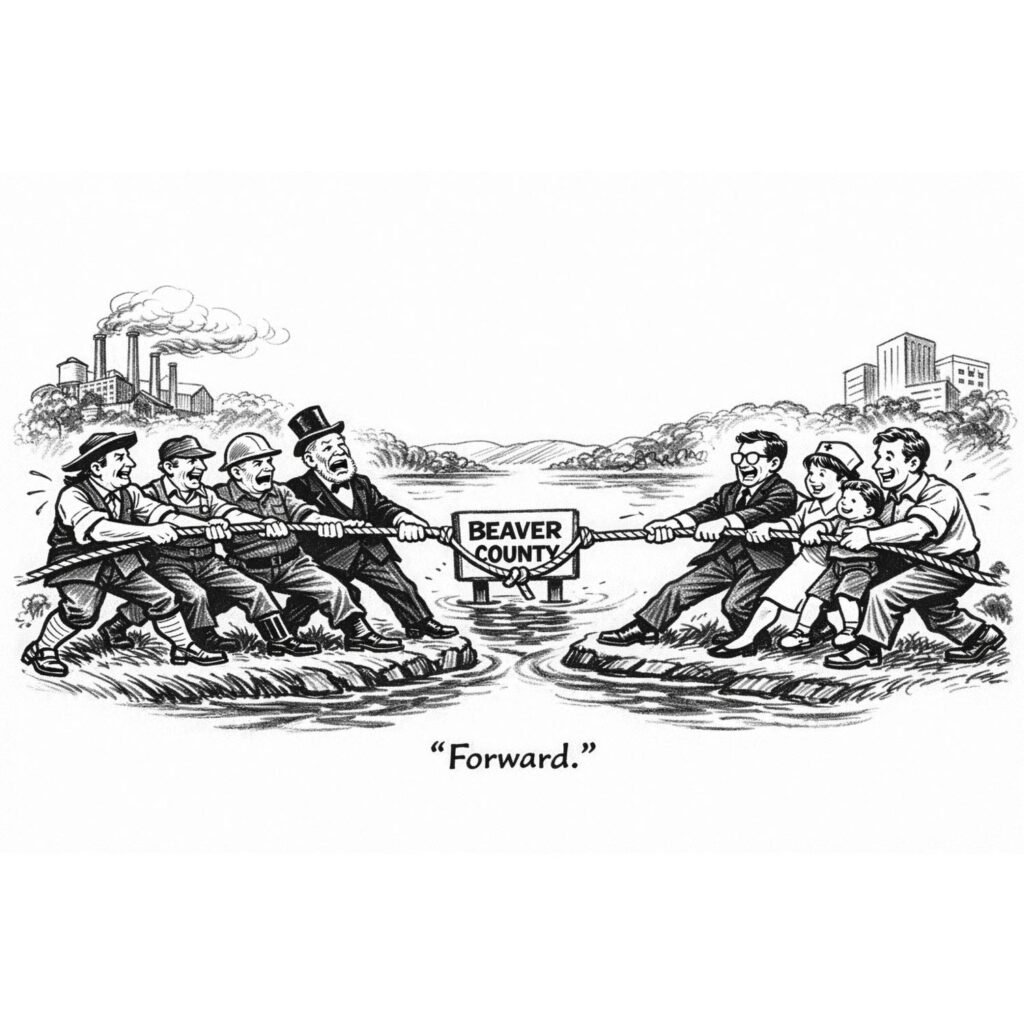
From ancient seabeds to Andrew Carnegie’s blast furnaces, the Keystone State has been blessed with geological good fortune and a talent for turning it into economic monogamy. And nowhere is this more evident than in Beaver County, which once forged the steel that built America and now spends a good deal of time forging redevelopment plans.
When Pennsylvania Was a Fish Tank
About 540 million years ago, Pennsylvania was underwater. Which explains, perhaps, Harrisburg.
Ancient seas deposited limestone and other minerals. Later, lush prehistoric vegetation collapsed into coal, oil, and gas—nature’s little retirement account for the 19th century. When industrialists arrived, they didn’t so much discover Pennsylvania as open it like a checking account.
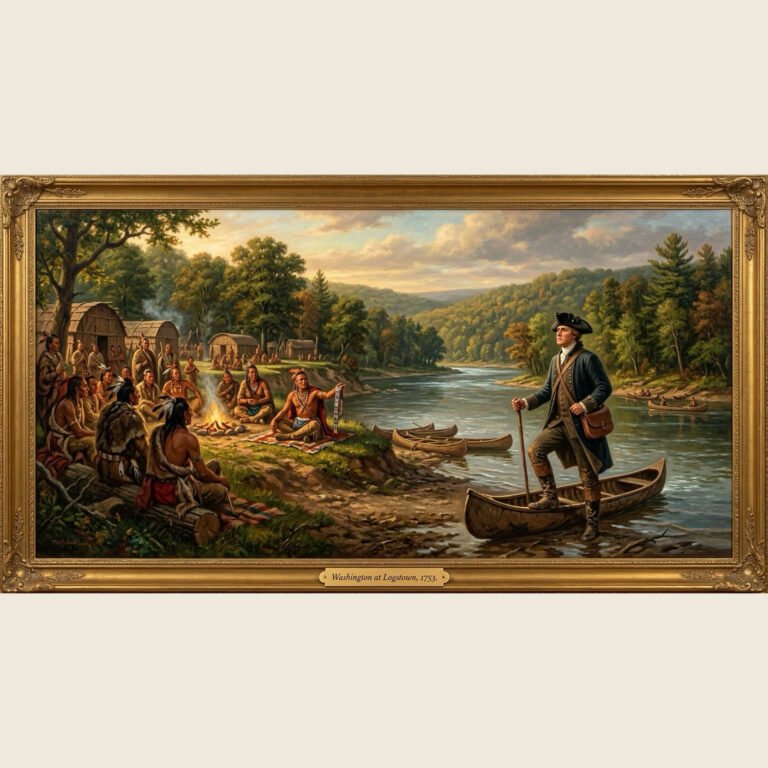
Before that, of course, Indigenous peoples—the Lenni Lenape, Susquehannock, and Iroquois—managed the land with considerably more balance and less strip mining. They traded along rivers that would later carry barges of coal and steel. Then Europeans arrived with muskets, treaties, and a keen interest in whatever was under the soil.
In 1681, William Penn founded his “Holy Experiment,” which was a noble idea involving tolerance, self-governance, and Quaker optimism. It also introduced the Pennsylvania tradition of local control, which seemed harmless when everyone owned a mule. Three centuries later, it has given us 2,500-plus municipalities and enough overlapping authorities to pave the Turnpike twice.
Pennsylvania does not forget its origins. It reenacts them annually at budget time.
Revolution on the East, Rebellion on the West
The east side of the state was busy inventing America. Philadelphia hosted the Continental Congress, the Declaration of Independence, and the Constitution. It was the intellectual parlor of the new nation.
Meanwhile, western Pennsylvania was inventing tax resistance.
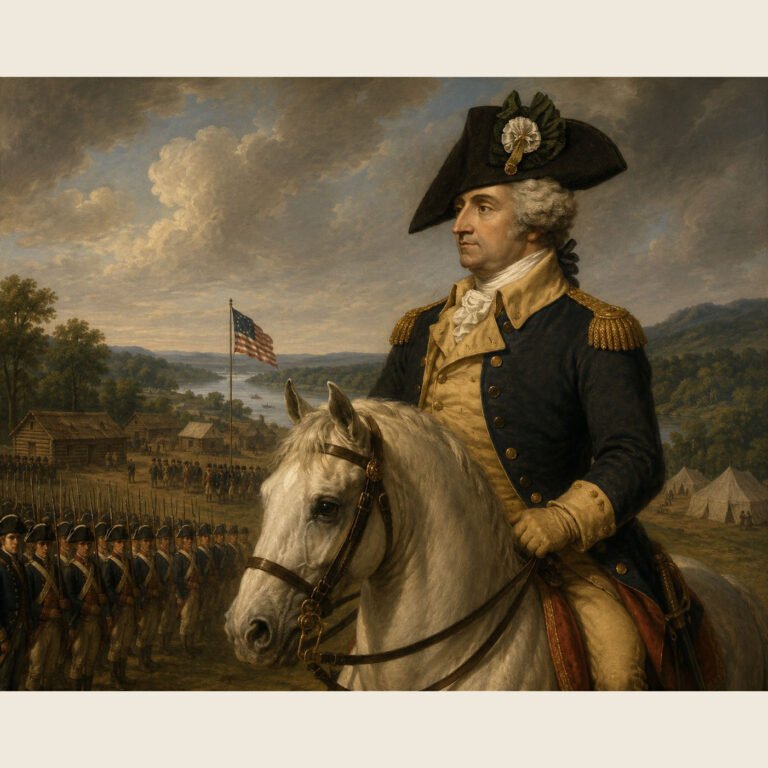
The Whiskey Rebellion of 1794 saw farmers objecting to a federal tax on distilled spirits—proof that nothing unites Americans like outrage over alcohol policy. President George Washington personally led troops west to settle matters. It was the first time a sitting president commanded forces in the field, and perhaps the last time Pennsylvania’s west and east agreed on anything without a court order.
That east-west divide became our permanent family argument. Philadelphia had ports, finance, and universities. Western Pennsylvania had rivers, coal, and an industrious habit of setting things on fire in blast furnaces.
Then came Gettysburg. Then came the Gilded Age. Then came Andrew Carnegie and John D. Rockefeller, who looked at Pennsylvania’s natural resources and saw opportunity. Pittsburgh became the “Steel City,” which was less a nickname than a job description.
By the 1940s, western Pennsylvania was producing a staggering share of the world’s steel. During World War II, the state churned out armaments, rails, ships, and even Hershey bars for troops. It was magnificent. It was patriotic. It was also, in hindsight, a bit like putting all your savings into one stock and hoping steel never goes out of fashion.
Spoiler alert: it did.
The Steel Trap Snaps Shut
The late 1970s brought what locals still call “the Steel Recession,” though it felt less like a recession and more like gravity asserting itself.
Layoffs came in the thousands. Towns like Braddock and McKeesport lost half their populations. Young people packed up and left, which is a polite way of saying they fled.
Western Pennsylvania had become an economic monoculture. We grew steel the way Iowa grows corn. When the market changed, there was very little else in the field.
Eastern Pennsylvania, meanwhile, had diversified—finance, education, logistics, pharmaceuticals. When one sector sneezed, another handed it a tissue. Western counties caught pneumonia.
Pittsburgh has since reinvented itself with robotics, healthcare, and university-driven research. It is now fashionable to put “AI” in grant proposals. But the question lingers over counties like Beaver: Are we building a diversified future, or simply auditioning for the next monoculture?
The Municipal Maze (Bring Snacks)
If geology and industry were not enough, Pennsylvania added a final twist: municipal fragmentation.
Every inch of the state belongs to a city, borough, or township. We have 2,562 municipalities, hundreds of school districts, and more authorities than a family reunion has opinions.
In Allegheny County alone, more than a hundred municipalities preside over their own slices of infrastructure. Beaver County has 54 municipalities—54 mayors, councils, and zoning boards heroically defending their borders from the menace of regional efficiency.
This system dates back to William Penn’s affection for local control. It worked splendidly in 1682, when “infrastructure” meant a dirt road and a meetinghouse. In 2026, it means duplicated services, uneven tax bases, and what scholars politely call “structural inefficiency,” and what taxpayers call something else.
Some towns have lost so much population they qualify as what policy analysts term “zombie municipalities”—legally alive, economically pale, still required to hold elections and balance budgets with the enthusiasm of a ghost.
Consolidation efforts tend to die quickly, as no community wishes to surrender its name, its borough building, or its high school mascot.
Beaver County: A Case Study in History’s Grip
Beaver County once hummed with steel. Aliquippa’s J&L mill employed thousands. The Ohio River carried prosperity. Families built lives around shift whistles.
When steel faltered, Beaver County faltered. Aliquippa’s population dropped sharply. Midland shrank. The county as a whole has drifted downward, year after year, like a slow leak no one can quite locate.
Health care and retail now employ more people than steel ever will again. Utilities and energy offer pockets of high wages. The Shell petrochemical plant in Monaca arrived with promises of a renaissance. Instead, the numbers have been more complicated, reminding us that large industrial bets can feel eerily familiar.
Add in 54 municipalities, each with its own regulations and fiscal realities, and local businesses must navigate a regulatory map that resembles a jigsaw puzzle assembled during an earthquake.
Can History Be a Teacher Instead of a Trap?
Pennsylvania’s history is extraordinary. Geological fortune, revolutionary idealism, industrial might—few states can match it.
But history becomes a trap when we confuse nostalgia with strategy.
For Beaver County, the lesson may be simple: diversify. Build redundancy. Encourage collaboration across municipal lines—even if it requires gently prying a few borough seals from cold, determined hands.
The rivers are still here. The work ethic is still here. The stubbornness—particularly the stubbornness—is very much still here.
History need not be destiny. But in Pennsylvania, it usually gets a vote.
The question for Beaver County is whether we continue reenacting our greatest hits—or compose something new before the next economic monoculture decides to close early.