By Rodger Morrow, Editor & Publisher, Beaver County Business
Listen to a podcast discussion about this article.
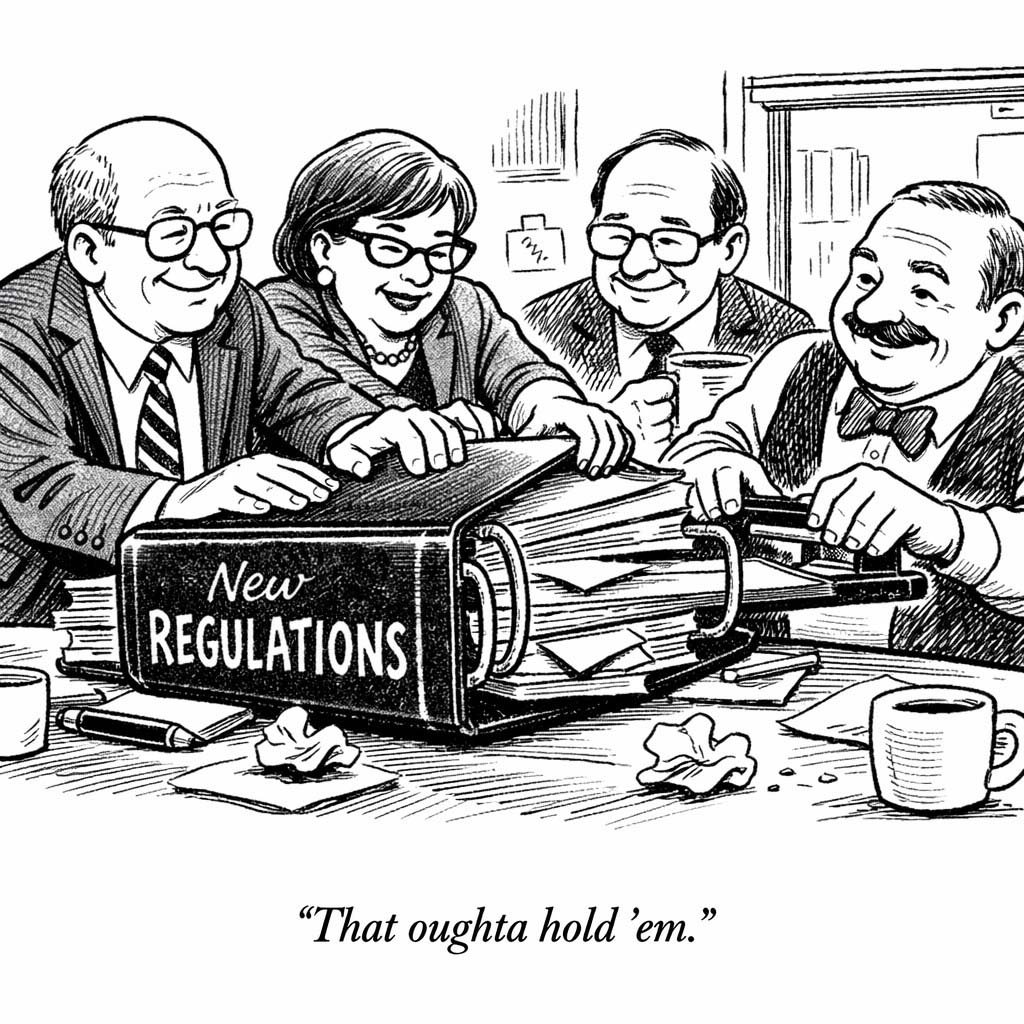
If you run a business in Beaver County—whether it’s a ten-person machine shop, a logistics outfit along the Ohio, or a company whose org chart looks like a small family tree—2026 is shaping up to be the year Washington dusts off the rulebook, flips to several dog-eared chapters, and begins reading aloud again.
After a long pause, federal labor and workplace agencies appear ready to reassert themselves, with consequences that will ripple from boardrooms to break rooms.
“The most resilient organizations are preparing now by strengthening the systems they use to manage workforce risk,” said Josh Ortega, vice president of safety, sustainability and procurement at Veriforce. Translation: hope is not a strategy, and neither is pretending you didn’t see this coming.
The NLRB Wakes Up
Start with the National Labor Relations Board, which has been operating without a quorum since January 2025—an impressive feat of bureaucratic suspended animation. Experts expect that to change, and when it does, the NLRB is likely to begin undoing a number of Biden-era rules that were friendly to workers and unions.
On the chopping block: tight limits on confidentiality and separation agreements, restrictions on “captive audience” meetings, and constraints on what employers can say or do during organizing drives.
The board is also revisiting the definition of independent contractors, an issue slowed by court challenges but far from resolved. Add to this a lawsuit from SpaceX challenging the constitutionality of the NLRB itself, and the legal landscape grows even murkier.
EEOC Sharpens Its Focus
The Equal Employment Opportunity Commission does have a quorum and is expected to expand investigations into claims of anti-American bias, religious discrimination, and certain diversity, equity and inclusion initiatives.
The agency may also rescind its 2024 harassment guidance, removing examples related to sexual orientation, gender identity, and abortion. It is likewise expected to narrow interpretations of pregnancy-related accommodations under the Pregnant Workers Fairness Act.
OSHA Turns Up the Heat
OSHA is expected to finalize major heat-exposure rules in 2026, requiring monitoring of conditions, hydration, breaks, and other safeguards. For manufacturers, warehouses, and outdoor crews, this will be an operational reality, not a theoretical exercise.
The agency is also advancing rules related to workplace violence, further emphasizing documentation and compliance.
The Labor Department Weighs In
The Department of Labor is expected to revisit overtime eligibility, joint-employer liability, and contractor classifications.
“These shifts will influence where responsibility sits in multi-tiered labor structures,” Ortega noted—especially in industries relying on subcontractors or temporary labor.
The takeaway for Beaver County businesses is simple: preparation beats surprise. The companies that quietly update policies now will be better positioned when Washington starts checking its work again.