By Rodger Morrow, Editor & Publisher, Beaver County Business
Listen to a podcast discussion about this article.
From Tax Code to Permanent Fixture
When Congress stitched the Opportunity Zone provision into the Tax Cuts and Jobs Act on December 22, 2017, it created a tax incentive in search of a map. The map arrived the following year: Treasury began approving state nominations that spring, and by July 9, 2018, 8,762 zones had been certified — later bumped to 8,764 after Puerto Rico’s additions. The pitch was simple enough: park your capital gains in distressed places and — if you behave — keep more of them.
Now, what began as a time-limited experiment has become a permanent part of the federal tax code. And Beaver County, that reliable understudy to Pittsburgh’s industrial drama, just might get a bigger role in Act Two — or rather, the act that never ends.

From Urban Experiment to Rural Renaissance
Nearly two and a half centuries after the nation’s founding, the One Big Beautiful Bill Act, signed on July 4, 2025, gave Opportunity Zones their most sweeping makeover yet — and locked them in for good. In an IRS notice released that September, Treasury reclassified 3,309 of the 8,764 zones as rural and cut the “substantial improvement” requirement in those areas from 100 percent of an investor’s basis to just 50 percent. Investors now get 30 months to meet that target — meaning you no longer have to buy the same warehouse twice just to fix the roof.
“It’s a pretty good deal,” said Dan Ryan, a partner at Sullivan & Worcester who specializes in the program — an understatement worthy of a CPA. “Hopefully it will help drive development in the rural areas.”
Still Time on the Clock
Though the first version was set to expire after 2026, permanence changes the calculus entirely. The rules for existing zones stay in place, but the new, rural-friendly version ensures the map never goes dark again. That’s good news for Beaver County, where much of the developable land sits squarely between cornfield and compressor station.
The next round of Opportunity Zones opens for investment on January 1, 2027, but here’s the important part: governors may begin nominating new tracts on July 1, 2026 — a 90-day window that will make the Hunger Games look like a Rotary Club raffle.
Congress also narrowed what qualifies as a “low-income community.” To make the cut now, a tract must show either a 20 percent poverty rate or a median household income no greater than 70 percent of the regional median — down from 80 percent in the first round. The math means roughly a quarter fewer tracts nationwide will be eligible, turning the next designation process into a scramble worthy of Survivor: Census Edition.
What It Means for Beaver County
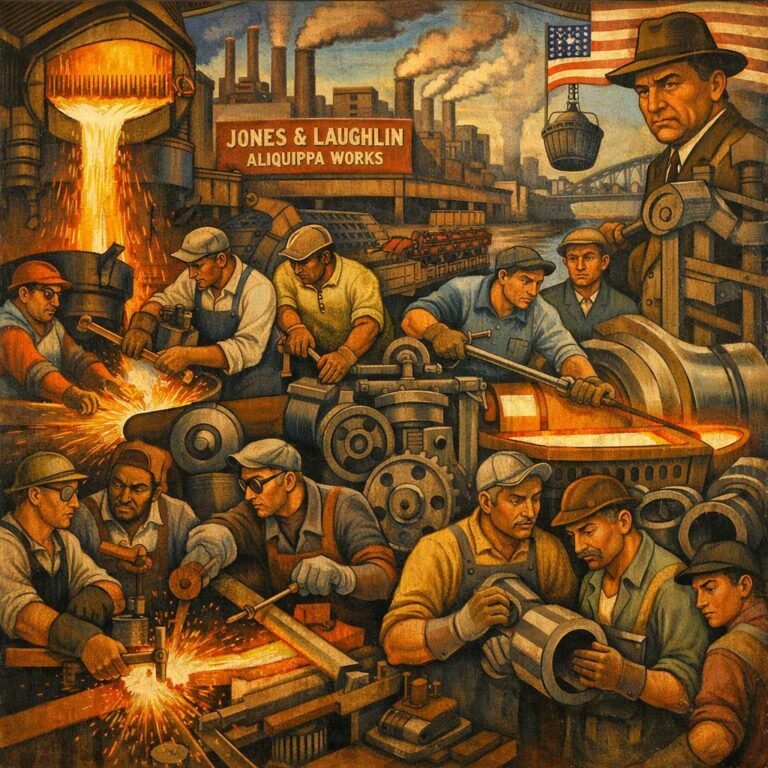
Beaver County’s existing Opportunity Zones trace the Ohio River through Aliquippa, Midland, Beaver Falls, and Ambridge. Those still qualify through 2026, but the rural reclassification could put outlying towns — Darlington, Industry, South Beaver — in play. Because investors in rural zones can now satisfy the “substantial improvement” test at half the cost and earn a 30 percent step-up in basis (after five years), these areas suddenly look like real contenders for fresh capital. That’s triple the bonus urban zones get for the same hold period — in plain English, the federal government is now paying people to look west of Cranberry.
Ryan points out that data-center developers are especially interested in rural land with ample power and cheap acreage — two Beaver County specialties. Between the energy grid, idle industrial sites, and Pittsburgh’s tech corridor just down I-376, the county has a shot at hosting the kind of server farms that keep the cloud humming (and, ironically, warming).
“The need for new data centers is substantial and continues to go up,” Ryan said. “And they need space for those — and rural areas have space.”
Transparency, At Last (Allegedly)
The first iteration of Opportunity Zones was dogged by complaints of secrecy and favoritism — think luxury towers masquerading as anti-poverty programs. The new law demands robust reporting on where the money goes and what jobs it creates. Ryan says this transparency “will build public support.” We shall see. Washington has promised openness before — often right before closing the books.
Looking Ahead
For Beaver County leaders, developers, and business owners, the months ahead are crucial. The county will need to make its case to Harrisburg that its mix of rural charm and industrial infrastructure deserves a spot on the 2026 map. Winning that designation means enhanced tax benefits for investors and new life for properties that have sat idle since Reagan was cutting ribbons.
If Beaver County loses out, well — as local history reminds us, opportunity zones come and go, but the mills, the rail lines, and the river are still right where they’ve always been.
For now, the smart move is to act like opportunity is already here. When the new maps are drawn, the places that look ready — clean sites, clear zoning, cooperative partners — will get the nod. And those who wait for Washington to notice them are usually still waiting when the next administration arrives.
Rodger Hanley Morrow is Editor & Publisher of Beaver County Business. He writes frequently on the region’s economic, industrial, and occasionally absurd affairs.