Listen to a podcast discussion about this article.
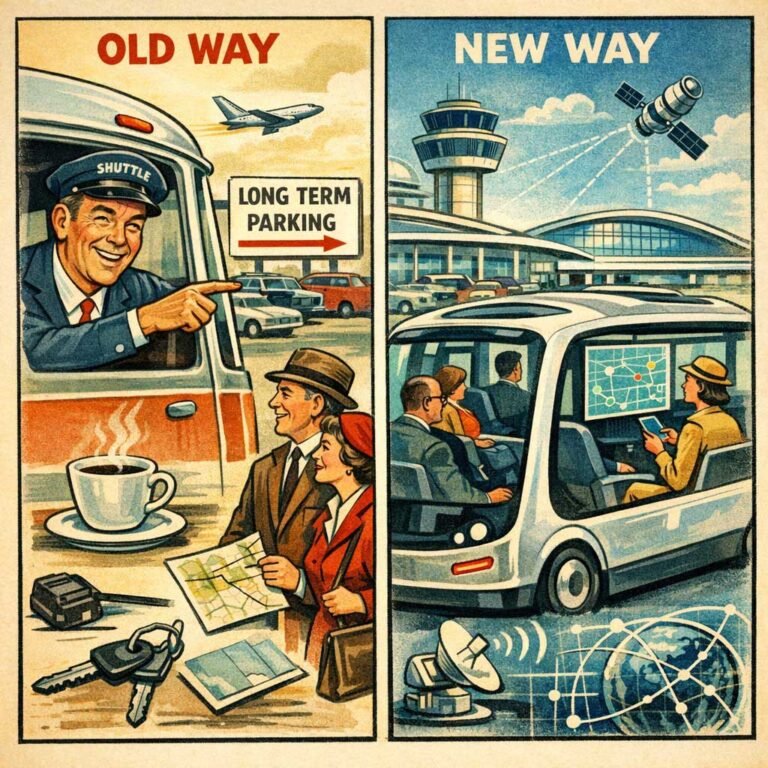
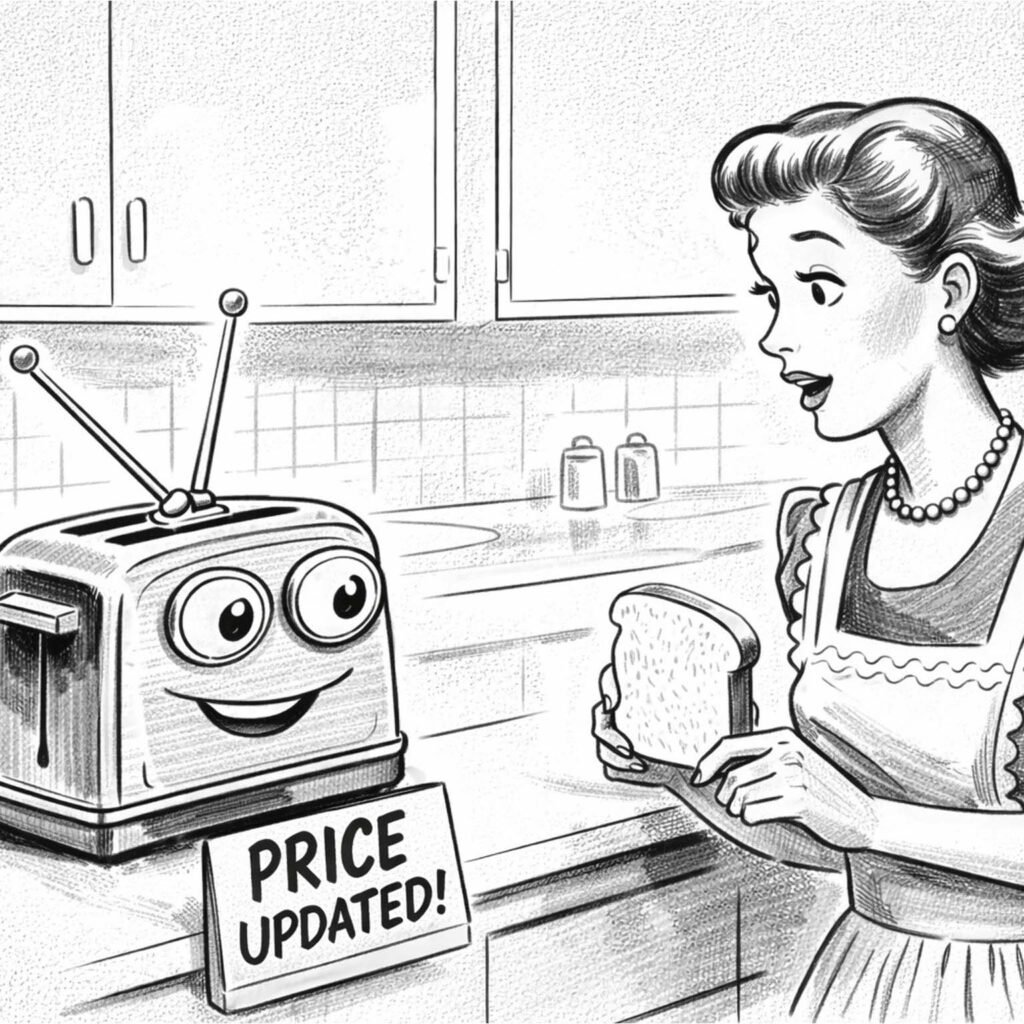
Not long ago, prices behaved with a certain dignity. A toaster cost what the tag said it cost, and the only person adjusting the number was a store manager with a labeling gun and a cup of coffee.
Today the toaster has joined the digital age. Somewhere inside a data center, an algorithm is watching you think about buying it.
Welcome to the cheerful new world of dynamic pricing, where artificial intelligence quietly studies demand, tracks consumer behavior, and adjusts prices in real time with the enthusiasm of a slot machine that’s discovered you still have quarters left.
The system sounds technical, but the principle is simple: charge as much as the market will bear—and preferably a little more if nobody notices.
Economists would say this is merely supply and demand in action. When demand rises, prices rise. When demand falls, prices fall. Adam Smith explained the idea two centuries ago, though he didn’t anticipate that one day a computer server would be performing the calculation several thousand times per minute.
Back when Beaver County was humming with blast furnaces and rolling mills, pricing was a far more straightforward affair. A ton of steel had a price, a loaf of bread from Keystone Bakery had a price, and nobody suspected the cash register of spying on them.
Today, the cash register has been replaced by an algorithm—and the algorithm is taking notes.
In practice, dynamic pricing means that the price of something today is rarely the same price tomorrow—or sometimes even ten minutes later.
Airlines pioneered the method long before artificial intelligence came along with its digital abacus. Airline seats are divided into what the industry calls “fare buckets.” A certain number of seats are sold at one price, another group at a higher price, and still another at a price that suggests the traveler’s sense of urgency has been carefully analyzed by a machine.
On a typical flight, 200 passengers may occupy identical seats while having paid 200 entirely different prices.
One traveler booked early and paid $200. Another booked late and paid $450. A third paid $700 because the algorithm sensed what economists politely call inelastic demand, which is a refined way of saying the computer believes you’re desperate.
Hotels and ride-hailing apps have embraced the idea as well. Anyone who has opened the Uber app during a thunderstorm already understands the principle. The fare doesn’t merely rise—it springs upward like a startled deer.
Concert tickets behave the same way. When demand spikes, the price spikes with it. During one recent tennis tournament, ticket prices jumped more than 140 percent in a single day because Serena Williams kept winning matches. Apparently, athletic excellence now triggers a financial reflex somewhere inside a pricing algorithm.
Food-delivery services have taken the concept even further. Investigations have shown that two customers ordering the same groceries from the same store at the same time may see different prices. The system studies browsing behavior, location, and purchasing patterns to estimate how much each customer might be willing to pay.
In effect, the supermarket has begun profiling your wallet.
Retail giants such as Amazon, Target, and Walmart rely heavily on the same strategy.
Sophisticated pricing software constantly monitors demand, competitor prices, and purchasing trends. When the algorithm detects an opportunity, it adjusts the price instantly.
In the old days, a store clerk changed prices with a sticker gun.
Today, a server farm does it.
Consumers, naturally, have begun looking for ways to outsmart the machines.
Travel experts advise buying airline tickets during what they call “Goldilocks windows”—not too early and not too late. Domestic flights tend to be cheapest one to three months before departure, while peak-season travel may be cheapest three to six months ahead.
Online shoppers are also told that timing matters. Some studies suggest prices are lower during weekday mornings, particularly on Tuesdays, when the algorithms appear momentarily less aggressive.
Another common strategy is to clear browser cookies or shop in “incognito mode,” preventing retailers from tracking your browsing history. If a website can’t see that you’ve been obsessively checking the same product five times in one afternoon, the thinking goes, it may be less inclined to raise the price.
Whether this trick actually works remains an open question. Some analysts compare it to doing a rain dance—harmless, but unlikely to influence the weather. Which, in Beaver County, can change three times between breakfast and lunch.
A more reliable tactic is psychological rather than technological: place an item in your online shopping cart and abandon it. Retailers frequently send follow-up emails offering discounts of 10 to 15 percent in hopes of coaxing you back.
Even algorithms, it seems, understand courtship.
The larger truth, however, is that the nature of pricing itself is changing. The neat little numbers printed on price tags are quietly disappearing. In their place are fluid prices—numbers that shift constantly as machines digest oceans of data and attempt to determine exactly what each customer will tolerate.
It’s a remarkably efficient system.
Especially for the seller.
And like many technological revolutions, it’s spreading rapidly. Artificial intelligence already runs logistics networks, analyzes medical scans, and manages global financial markets.
Adjusting prices turns out to be one of its easiest tasks.
Which brings us, inevitably, back to Beaver County.
The same artificial intelligence systems that now determine the price of airline tickets and groceries will soon be humming away inside the massive data centers planned across Western Pennsylvania. Those facilities—with their almost bottomless appetite for electricity—will house the algorithms that increasingly run the modern economy.
A century ago Beaver County helped power the industrial economy with steel from Aliquippa and electricity from places like the Beaver Valley Nuclear Station. Now the region is positioning itself to power the digital economy instead.
And somewhere inside one of those humming server halls, an algorithm may already be calculating whether the next person who checks the price of that airplane ticket is willing to pay just a little bit more.
The Greek philosopher Heraclitus was right: everything changes. Even the price of a toaster.