Listen to a podcast discussion about this article.
Some institutions fade away. Others announce their farewell tour, sell the tickets, dim the lights—and then wander back onstage for one more encore. The Pittsburgh Post-Gazette, it turns out, belongs firmly in the latter category, somewhere between KISS and Spinal Tap on the scale of improbable comebacks.
Not long ago, it looked like the old paper was finally done. Its owner, Block Communications, had concluded that losses—reportedly more than $350 million over the past two decades—weren’t just a rough patch but a permanent condition. A final edition was scheduled. The presses were preparing for silence.
And then—just as the crowd was filing out—the band came back.
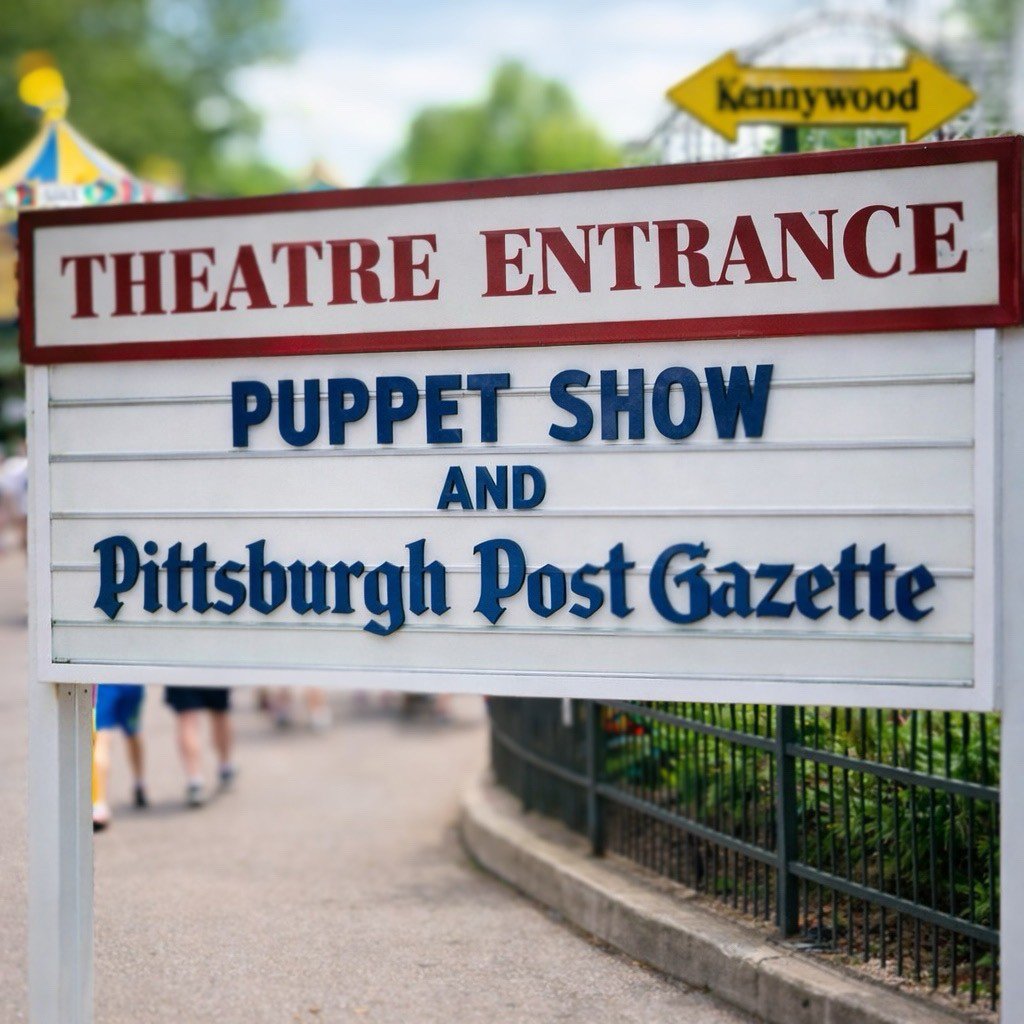
On April 14, a Baltimore nonprofit, the Venetoulis Institute for Local Journalism, announced it would acquire the paper’s assets and keep it alive. No interruption in publishing. Same name. Same long history stretching back to 1786. A new owner, yes—but the same familiar act, now under different management.
It’s the kind of plot twist that’s become oddly common in American journalism, though rarely this dramatic. The Venetoulis Institute isn’t a hedge fund looking to squeeze out a few last drops of profit. It’s a nonprofit with a mission that sounds more like a civics lesson than a business plan: strengthen communities, hold power accountable, inform the public, and do it all without the commercial pressures that have been quietly strangling newspapers for years.
Behind it stands Stewart W. Bainum Jr., a hotel magnate turned unlikely patron saint of local news. Having already launched The Baltimore Banner, he’s now extending his experiment westward, as if to prove that what works on the Chesapeake might also work along the Monongahela.
It’s a bold wager. The Institute reportedly wasn’t even the highest bidder for the Post-Gazette. It won the deal because it promised something rarer than cash: a commitment to local journalism itself. In today’s market, that’s a bit like showing up at an auction with a heartfelt speech and somehow walking away with the prize.
Of course, speeches don’t pay reporters. And that’s where the story gets less romantic and more familiar.
The nonprofit model—now adopted by hundreds of news organizations across the country—rests on a three-legged stool: philanthropy, reader support, and a modest amount of earned revenue from ads, events, and subscriptions. It’s sturdier than it sounds, but it’s not exactly a Barcalounger. Take away one leg, and things can wobble fast.
The Venetoulis Institute brings real money to the table—tens of millions of dollars in backing—but even that comes with limits. The Post-Gazette’s newsroom, currently around 100 staff, may need to be “adjusted,” which is the sort of word that sends a chill through any workplace. There are also unresolved questions about union contracts, digital strategy, and whether readers who’ve drifted away will come back in sufficient numbers to make the whole thing sustainable.
In other words, the band’s back together—but it’s playing a smaller venue.
Still, there’s something admirable about the attempt. For all the jokes about farewell tours, the disappearance of a major metropolitan newspaper isn’t a punchline. It’s a civic loss. Newspapers once formed the connective tissue of a city—telling its stories, chronicling its arguments, occasionally irritating its leaders, and, now and then, getting something important right.
That role hasn’t vanished, but it’s been battered. Advertising migrated to the internet and never came back. Readers discovered they could get headlines for free, often without the inconvenience of context. Social media turned everyone into a publisher, though not always into a reporter. The old model didn’t just weaken—it collapsed.
The nonprofit approach is one answer to that collapse. It treats journalism less as a commodity and more as a public good, something closer to a library than a factory. You don’t expect a library to turn a profit. You expect it to serve a community—and you accept that doing so requires support from donors, readers, or both.
Whether that model can scale to a paper the size and history of the Post-Gazette is the real question. Smaller nonprofit outlets have shown they can survive, even thrive, by focusing tightly on local coverage and building strong relationships with readers. A legacy daily, with its broader ambitions and heavier infrastructure, is a more complicated proposition.
Yet if there’s a city where the experiment might resonate, it’s Pittsburgh. This is, after all, a place that knows something about reinvention—about what happens when an old industrial model runs its course and something new has to take its place. Steel gave way to tech, medicine, and education. Why shouldn’t journalism try the same trick?
None of this guarantees success. The economics are still unforgiving. The audience is still fragmented. And the temptation to cut corners—to chase clicks instead of substance—hasn’t gone away just because the ownership structure changed.
But for now, the presses will keep rolling. The website will keep updating. The familiar name will appear, as it has for more than two centuries, at the top of stories about Pittsburgh and the world beyond it.
That’s no small thing.
Whether this latest comeback proves lasting or just another stop on an endless tour, it’s at least a reminder that institutions don’t always go quietly. Sometimes they regroup, find a new backer, and try again—leaner, humbler, and perhaps a little wiser.
And if the Post-Gazette has to take a few cues from KISS and Spinal Tap along the way—well, there are worse traditions to follow. In show business, as in journalism, the only thing more surprising than a comeback is how often it works.