Listen to a podcast discussion about this article.
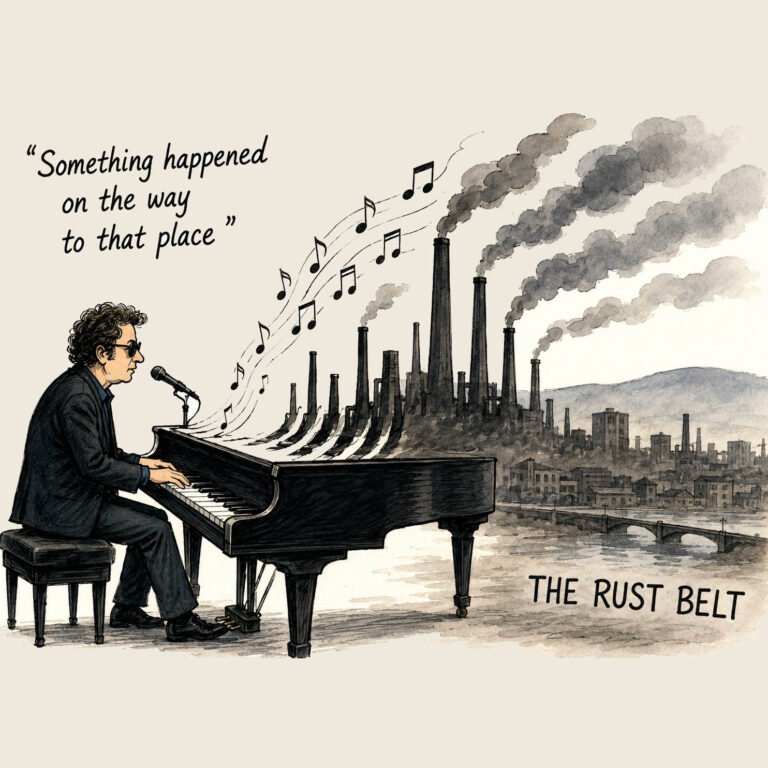
Back when Pittsburgh still made things besides excuses, Pennsylvania launched America into the commercial nuclear age. In 1957, the Shippingport Atomic Power Station along the Ohio River became the nation’s first full-scale nuclear plant to feed electricity into the grid. Ground had been broken three years earlier under President Dwight D. Eisenhower’s “Atoms for Peace” program, back when Americans still assumed the future would arrive carrying blueprints instead of compliance manuals.
People in those days believed technology might improve life. There was a touching innocence about the whole thing. Americans thought electricity should become cheaper, appliances more reliable, and automobiles larger than studio apartments. Nobody had yet informed them that progress would eventually mean paying $11 for coffee while attending seminars about sustainability.
Now a group called Team Pennsylvania has unveiled something known as a “Nuclear Energy Roadmap,” which sounds less like an industrial strategy than a pamphlet handed out at a Holiday Inn conference room between speeches on supply-chain optimization. Released May 7, the plan aims to position Pennsylvania as a global leader in nuclear innovation by 2050 — a target date carefully selected because most of the people announcing it will be retired, consulting, or writing memoirs before anybody checks whether it succeeded.
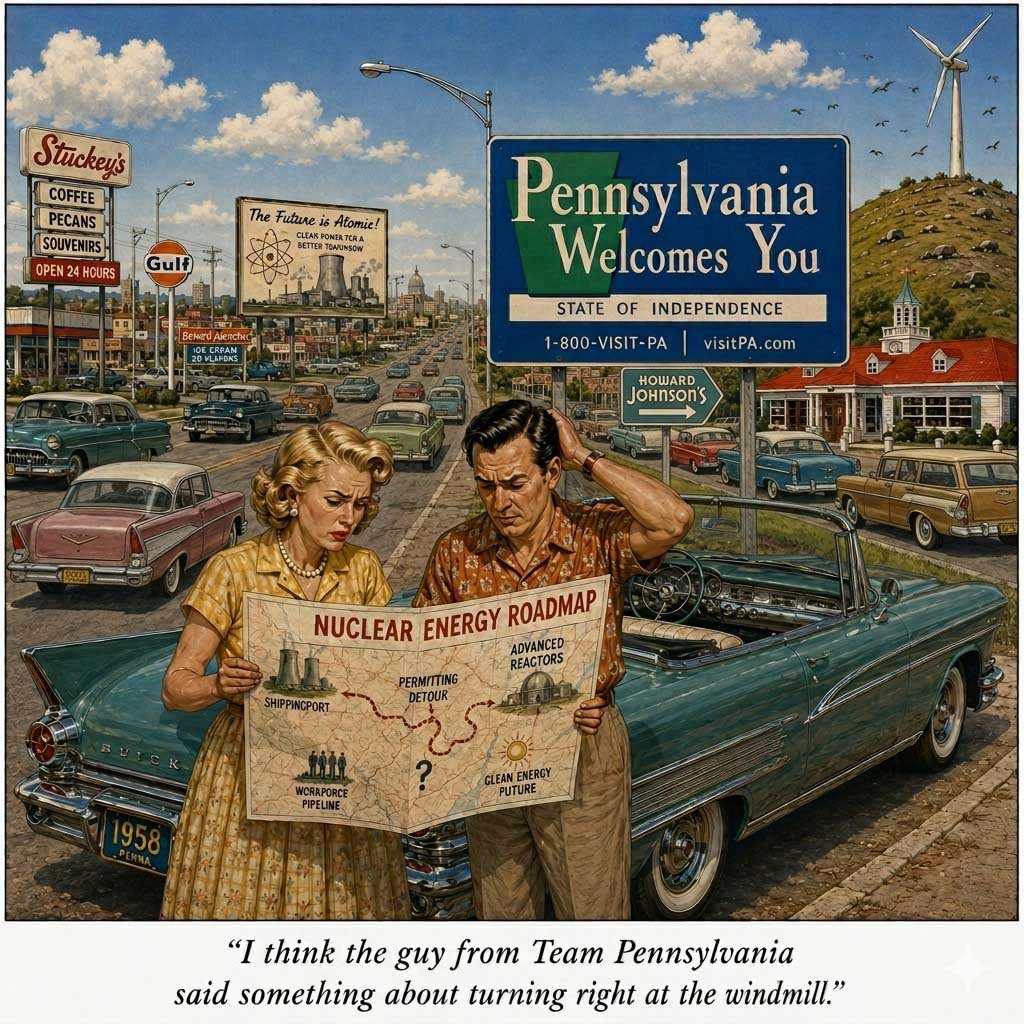
Still, behind the bureaucratic phrasing lurks something unusual in modern America: actual industrial ambition.
Electricity demand is climbing faster than property taxes and medical deductibles. Artificial intelligence data centers, electric vehicles, advanced manufacturing, and the entire digital economy are consuming power the way Washington spends borrowed money — enthusiastically, continuously, and with very little discussion about where it’s all supposed to come from. Data centers already account for roughly 4% of U.S. electricity demand, and projections suggest that figure could more than double by 2030.
Which explains why the same experts who spent the last decade urging Americans to unplug phone chargers and sit heroically in dimly lit rooms have suddenly rediscovered a rather awkward truth: modern civilization runs on enormous amounts of reliable electricity.
Not hashtags. Electricity.
And not merely the inspirational variety generated by wind turbines standing motionless on hilltops like giant white monuments to optimism.
Westinghouse Electric Company, still headquartered in the Pittsburgh region out in Cranberry Township, sits squarely at the center of this revival. The company plans to support construction of at least ten new AP1000 reactors by 2030 — projects expected to generate tens of thousands of jobs and enormous long-term economic impact. Pennsylvania reactors are also coming back online, including the former Three Mile Island Unit 1, now rechristened the Crane Clean Energy Center because no American infrastructure project can proceed anymore without first sounding like a wellness retreat.
The roadmap makes another shrewd observation: Pennsylvania profits even when the reactors are built elsewhere. The commonwealth still possesses engineers, machinists, welders, steel fabricators, and highly trained workers capable of manufacturing things more complicated than smartphone apps delivering sandwiches. So while southern states host ribbon-cuttings and aerial drone footage for economic-development commercials, Pennsylvania collects contracts, payrolls, and supply-chain work.
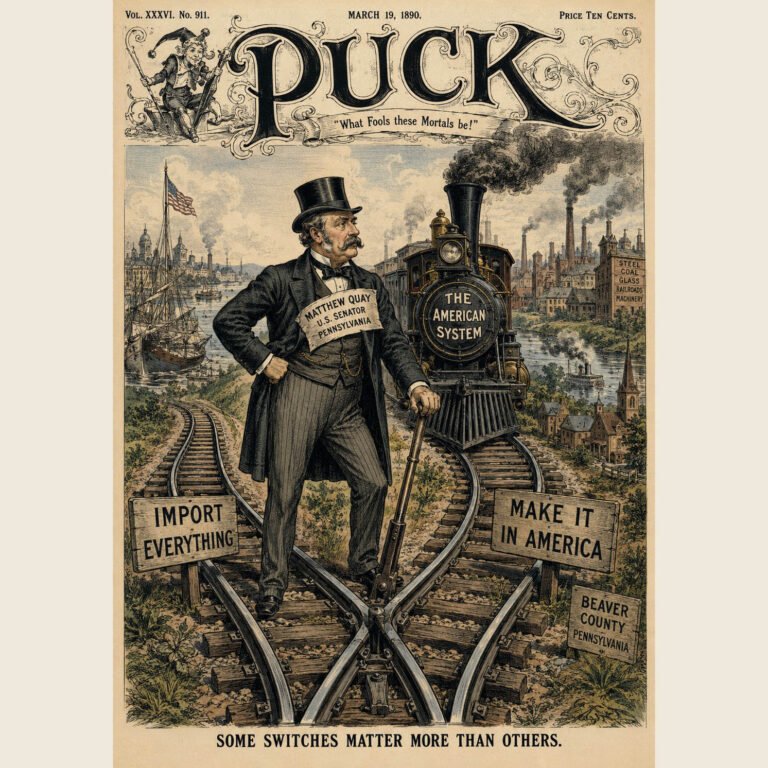
Around Beaver County and the Mon Valley, that matters. Older residents remember when mill lights glowed through the night and a hardworking fellow without a master’s degree in organizational empathy could support a family, buy a brick house, and occasionally splurge on a Buick with enough chrome to blind nearby aircraft. Then came globalization, free-trade agreements, and a generation of economists who calmly explained that losing manufacturing jobs was actually beneficial because Americans would enjoy cheaper patio furniture assembled somewhere near the South China Sea.
Meanwhile China built steel mills, shipyards, coal plants, semiconductor factories, and enough industrial infrastructure to make American planners break into panel discussions.
Now the country is rediscovering the strategic value of producing things again. Especially electricity.
Gov. Josh Shapiro and Team Pennsylvania President Abby Smith describe the roadmap as a coordinated effort among government, labor, universities, and private industry. Short-term goals include siting assessments, permitting reforms, and regulatory streamlining. Longer-term priorities involve advanced nuclear technologies, workforce pipelines, reactor modernization, and research initiatives.
Of course, in Pennsylvania, “interagency coordination” usually resembles herding cats through a toll booth while somebody from Harrisburg forms a subcommittee to study the cats.
Still, the intent is clear enough: stop making it impossible to build things.
And perhaps that’s the biggest cultural shift of all. For years America treated industrial development as vaguely embarrassing, like cigarette smoking or owning a Buick dealership. We became a nation convinced prosperity could be sustained indefinitely by finance, software, consulting, and people using the phrase “thought leadership” without irony.
Then artificial intelligence arrived demanding enough electricity to power several civilizations at once.
Suddenly nuclear power — that old wallflower Americans spent decades eyeing suspiciously from across the gymnasium — looks positively attractive again.
Necessity has a clarifying effect. Solar panels stop producing after sunset. Wind turbines occasionally stand still for days looking contemplative. AI servers, however, never sleep. Neither do hospitals, factories, airports, or air conditioners during July in western Pennsylvania when the humidity feels like being wrapped in damp upholstery.
So Pennsylvania, birthplace of commercial nuclear energy, finds itself back in fashion at precisely the moment America realizes modern life requires more than slogans and charging stations.
The old Atomic Age swagger is returning — though now it arrives wearing fleece vests instead of fedoras.
Around here, we might just call that recycling.