By Rodger Morrow, Editor & Publisher, Beaver County Business
Listen to a podcast discussion about this article.
Beaver County has a long and honorable tradition of not paying attention to the world until the world barges into the living room, sits down uninvited, and asks what we plan to do about it. This is not negligence; it is practicality. When you live in a place that once made the steel, the bridges, and the engines that powered an empire, you develop a quiet confidence that global affairs will eventually sort themselves out—or at least pass through Pittsburgh first.
Which is why it may be worth listening, however reluctantly, to a Russian-born British comedian who says the rules of the world have collapsed, the West is losing its nerve, and artificial intelligence is preparing to fire half the workforce.
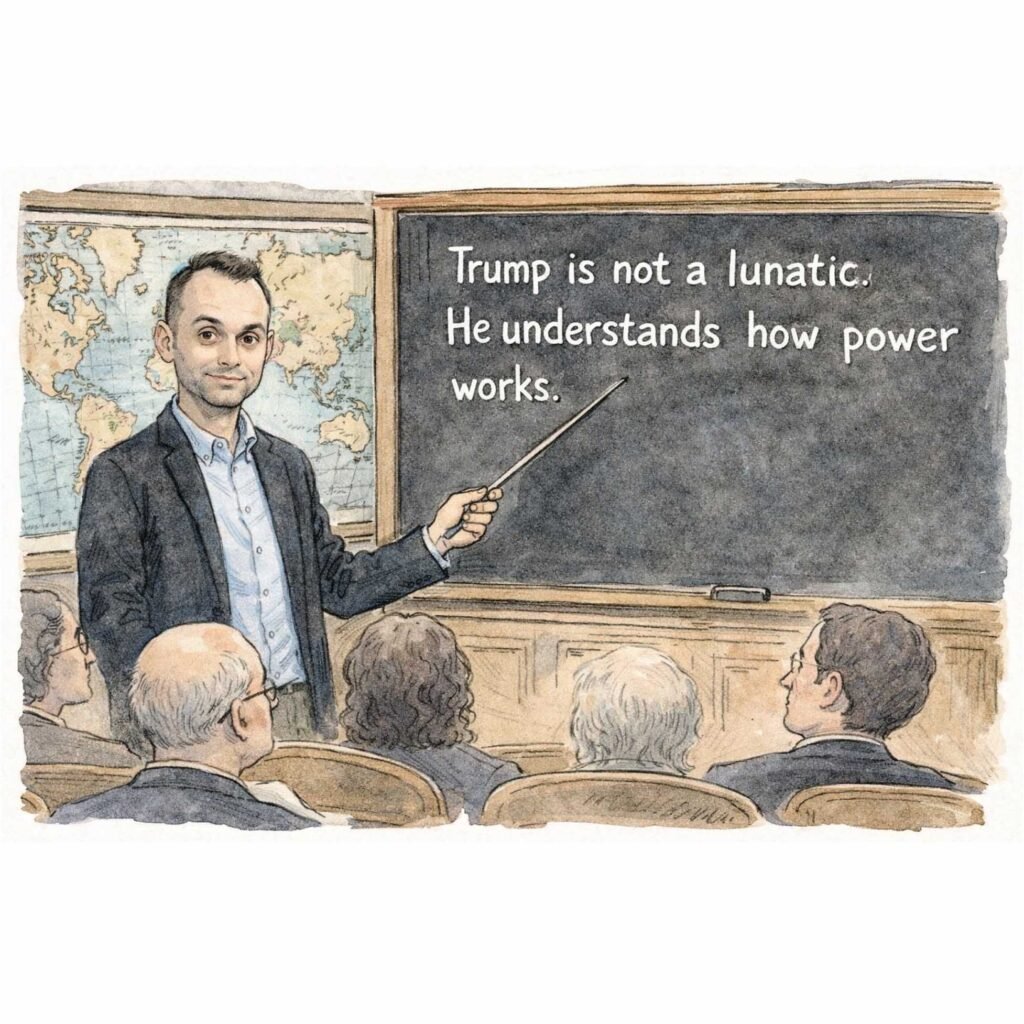
Konstantin Kisin does not look like a prophet. He looks like someone who should be telling jokes in a London club, which is precisely his advantage. Prophets are easy to dismiss. Comedians slip past the defenses. Kisin, co-host of the podcast TRIGGERnometry and author of An Immigrant’s Love Letter to the West, recently sat down with Steven Bartlett on The Diary of a CEO to explain why the postwar order is finished, why pretending otherwise is dangerous, and why the future may involve both robot surgeons and unavoidable socialism.
This is not, he insists, a conspiracy theory. It is merely an observation that the so-called “rules-based international order” was always enforced by one thing: overwhelming Western military power. Once that power wanes—or once the will to use it evaporates—the rules revert to what they have always been. Might makes right. International law becomes an international suggestion.
Kisin’s point is bracing because it strips away decades of polite language. After World War II, the United States and its allies built a system of institutions, treaties, and norms that worked largely because everyone understood who was ultimately in charge. Today, that understanding is fading. China is powerful. Russia is belligerent. Iran is patient. And the West, especially Europe, is distracted by arguments over carbon targets, pronouns, and who owes whom an apology for the eighteenth century.
Europe, Kisin notes, represents roughly 12 percent of the world’s population and about 60 percent of its welfare spending. This is not moral superiority; it is demographic math. A society that spends most of its energy redistributing existing wealth, rather than creating new wealth, eventually discovers it has less of both. Britain, once the seat of an empire, now finds itself largely irrelevant in major geopolitical decisions because it no longer brings decisive military or economic power to the table.
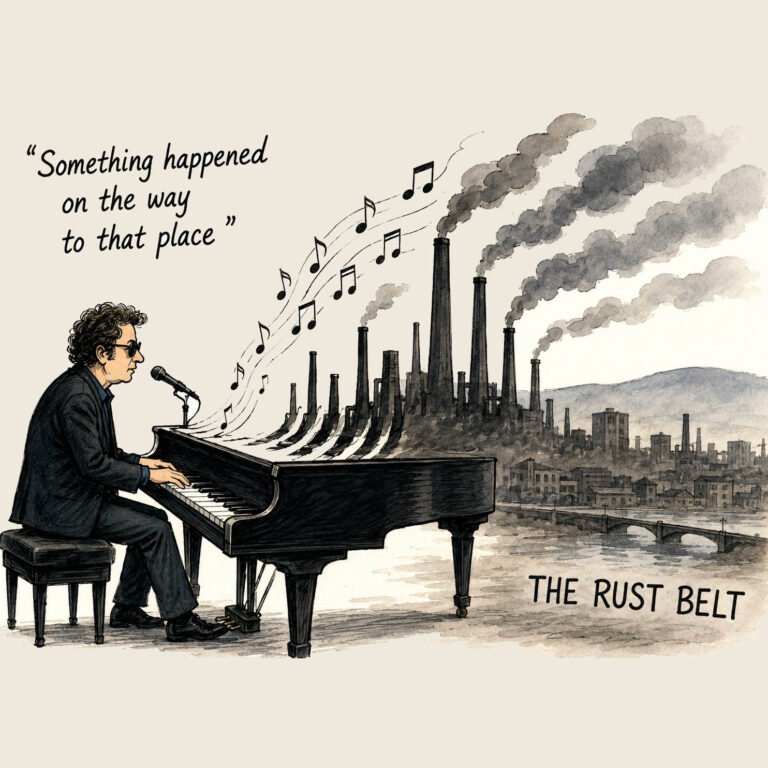
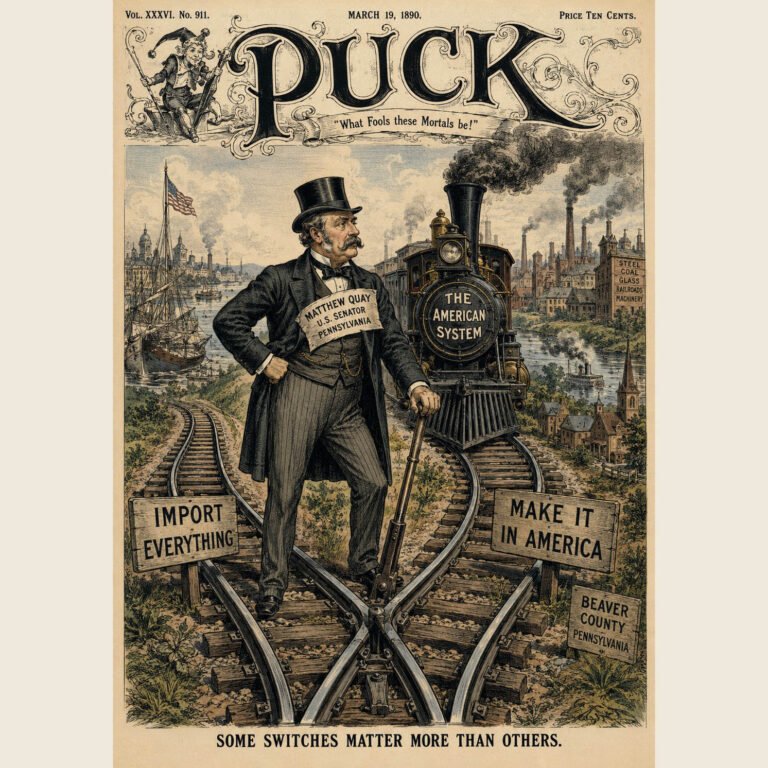
Beaver County readers may detect a familiar rhythm here. We, too, once mattered enormously to the global economy. We made things the world needed. Then we convinced ourselves that production was gauche, smokestacks were immoral, and services could replace substance. The result was not utopia but a long lesson in the difference between feeling good and working well.
Kisin’s critique of Britain’s “anti-success” culture—where a small percentage of taxpayers shoulder a wildly disproportionate share of the burden—has a local echo. Communities cannot tax their way to prosperity any more than they can regulate themselves into relevance. When wealth creators leave, they take more than money with them. They take momentum.
Yet Kisin is not nostalgic for smokestacks or empire. His most unsettling warning concerns technology. Artificial intelligence, robotics, and automation are advancing at a pace that makes past industrial revolutions look leisurely. Self-driving vehicles, automated logistics, and humanoid robots are not science fiction; they are procurement decisions waiting for a quarterly budget meeting.
When machines can drive trucks, stock warehouses, diagnose illnesses, and perform surgery more accurately than humans, the labor market does something impolite. It shrinks. Dramatically.
Kisin raises an uncomfortable possibility: if a tiny group controls the productive capital and a large majority finds itself structurally unemployed, redistribution ceases to be an ideological preference and becomes a practical necessity. Socialism, in that scenario, is not chosen. It arrives like a fire code.
There is a strange optimism buried in this. If robotic surgeons can outperform human ones, elite medical care may become cheap, abundant, and universal. The same technologies that unsettle the labor market could also democratize services once reserved for the wealthy. Progress giveth and progress taketh away, often at the same time.
The geopolitical backdrop remains volatile. Kisin views protests in Iran as brave but perilous, especially when Western support is more rhetorical than real. He interprets Donald Trump’s fixation on Venezuela and Greenland not as madness but as a return to old-fashioned empire logic: great powers securing their neighborhoods to keep rivals out. The Monroe Doctrine, it turns out, never died. It just stopped being fashionable.
What makes Kisin worth hearing is not that he is always right. It is that he has lived the alternative. Born in the Soviet Union, he grew up amid shortages, censorship, and the quiet terror of saying the wrong thing to the wrong person. His family history includes serfdom, political ostracism, and the kind of moral compromises authoritarian systems demand. When he defends free speech, objective truth, and Western institutions, it is not theoretical. It is comparative.
In An Immigrant’s Love Letter to the West, he skewers Western self-loathing with the affection of someone who knows what replaces it. His satirical chapter, “Ten Ways to Destroy the West,” reads less like a manifesto than a checklist we seem determined to complete. Reduce everything to race. Treat truth as negotiable. Politicize leisure. Outsource thinking to celebrities. Confuse inequality with injustice until housing becomes unaffordable and resentment becomes policy.
The throughline is simple. Societies collapse not only from external threats but from internal confusion. They abandon what works for what feels virtuous. They mistake criticism for improvement and guilt for wisdom.
Kisin remains in Britain, he says, because he wants to fight for a renaissance rather than flee the decline. That, too, has a Beaver County ring to it. Leaving is easy. Staying requires a belief that places—and cultures—are worth the trouble.
We do not need to agree with every conclusion to recognize the warning. The world is becoming less sentimental, more transactional, and more technologically unforgiving. The rules are changing, whether we applaud them or not.
Beaver County has survived the collapse of old orders before. We have learned, sometimes painfully, that reality does not care about our preferences. A Russian comedian is merely reminding us of something we already know: the future belongs to people who see clearly, adapt honestly, and resist the comforting fiction that someone else is in charge.
That is not a punchline. It is the setup.
The interview with Konstantin Kisin is here: https://youtu.be/nJeU72Rgjh4?si=hrl0fTCenEAUzQQu